The must-haves
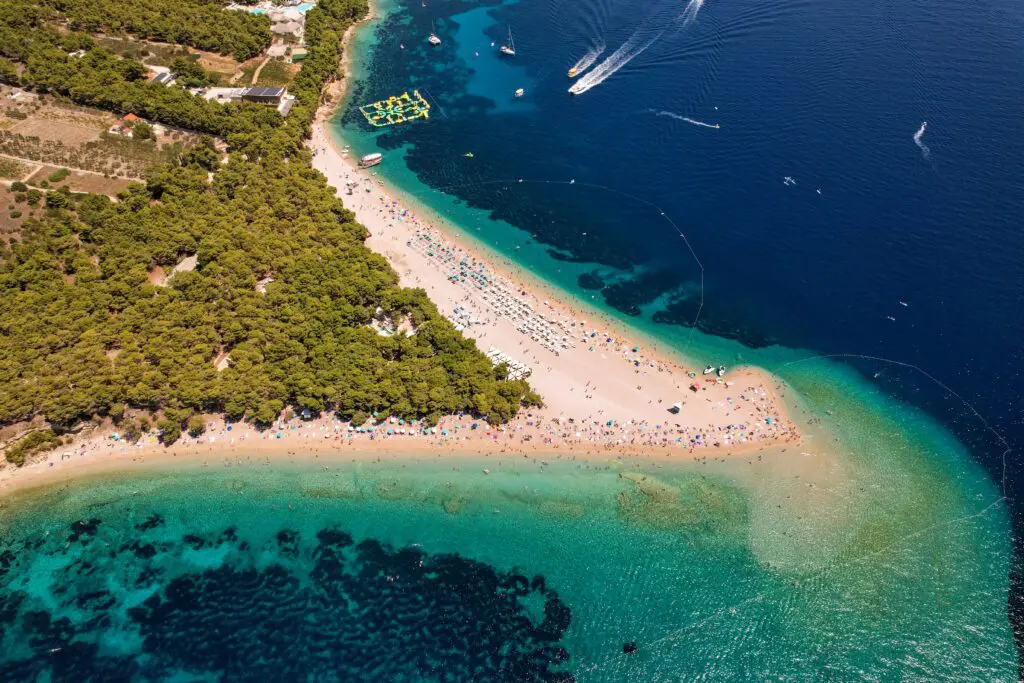
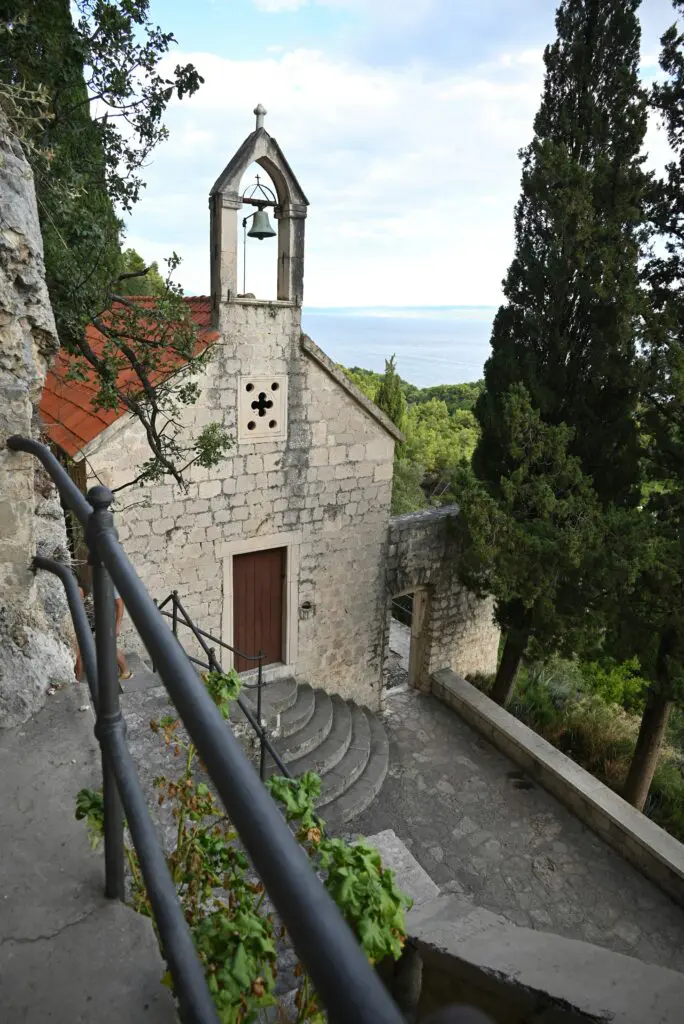
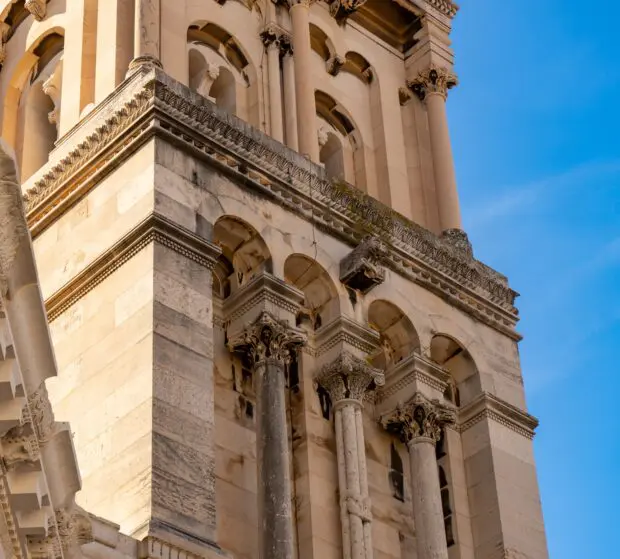
From Roman heritage to the landscapes of the Adriatic
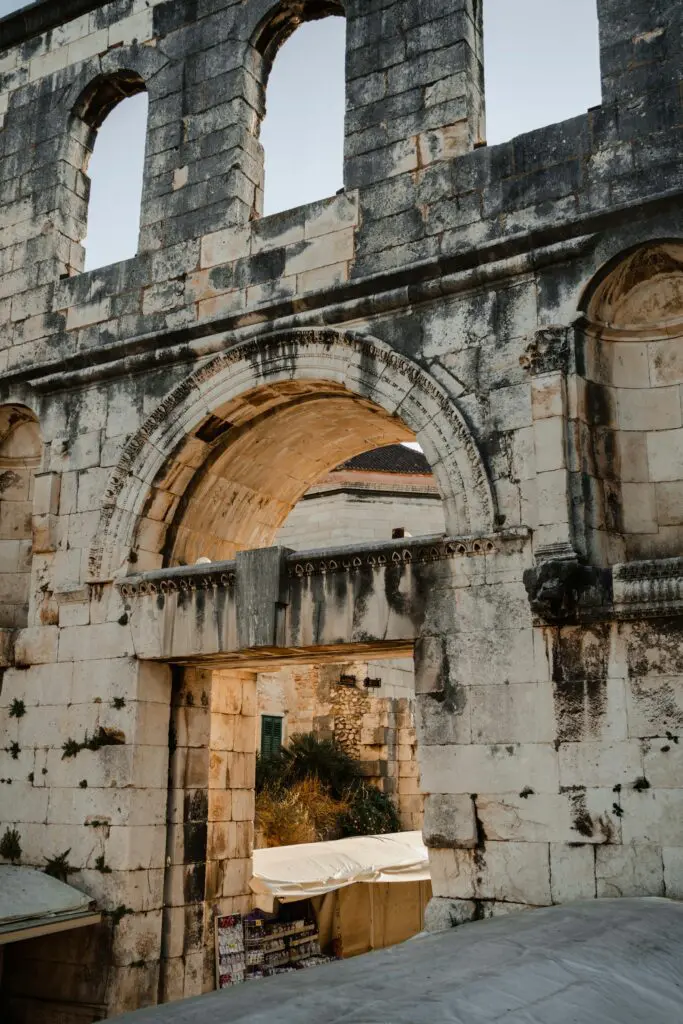
- Diocletian's Palace : explore its courtyards, underground passages and the alleyways that now run through the ancient palace.
- Peristyle : discover the large central square of the palace and its ancient architecture.
- Saint Domnius Cathedral : housed in the former mausoleum of Diocletian, it is one of the iconic monuments of Split.
- Riva : Enjoy the seaside promenade, lined with cafes and restaurants.
- Marjan : set off on foot or by bike on the trails of this wooded hill overlooking Split.
- Pazar Market : discover fresh produce and local specialties in a lively atmosphere.
- Fish market : observe the stalls of fish and seafood in the heart of the city.
- Meštrović Gallery : discover the works of Croatian sculptor Ivan Meštrović.
- Veli Varoš district : stroll through the narrow streets and traditional houses of this old fishing quarter.
- Split beaches : enjoy the coastline and the waters of the Adriatic close to the centre.
A city punctuated by festivals and cultural events
Split hosts cultural, musical and sporting events throughout the year. Among the emblematic events is Sudamja, a festival dedicated to Saint Domnius, the city's patron saint, which combines religious celebrations, entertainment and events in the streets of Split.
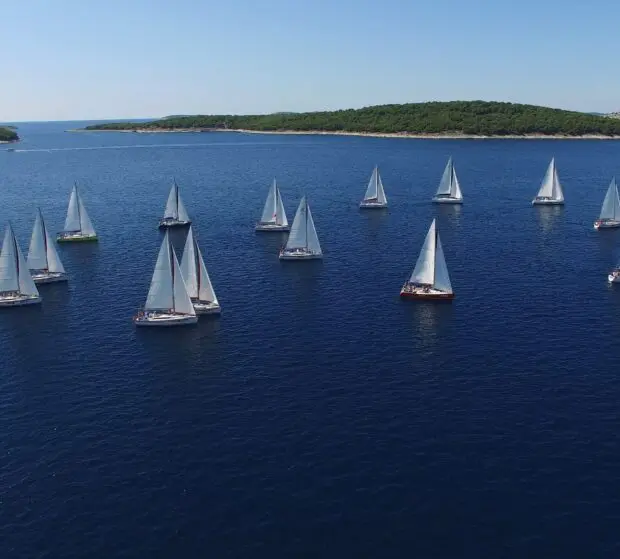
Summer is particularly lively with the Split Summer Festival, dedicated to theatre, opera and music, as well as various concerts and open-air events. The tourist office calendar also lists film festivals, exhibitions and sailing events.
In the autumn, boating enthusiasts can follow the Mrduja regatta, traditionally held on the first weekend of October, while several events celebrate Dalmatian gastronomy and traditions.
The flavors of Dalmatia at the table
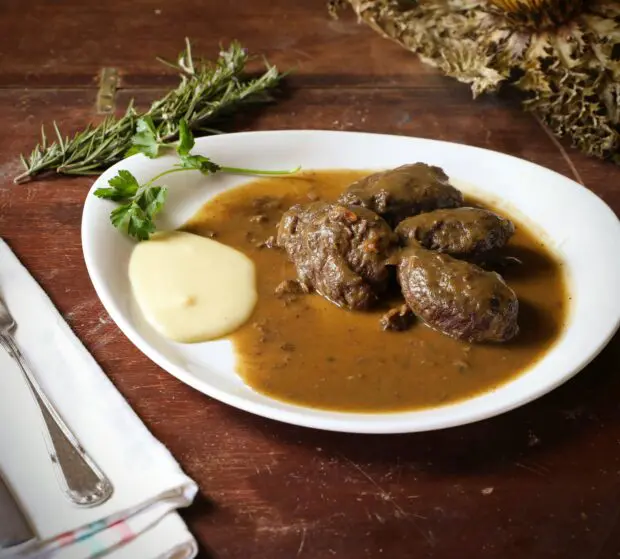
In Split, the cuisine draws direct inspiration from the Mediterranean and Dalmatian produce. Restaurants and konobas, traditional taverns, offer a wide variety of fish and seafood, often simply grilled with olive oil. Among the specialties to discover are pašticada, a slow-cooked beef stew usually served with gnocchi; peka, a dish cooked slowly under a cloche; and blitva, a combination of Swiss chard and potatoes.
For a sweet treat, try fritule, small doughnuts traditionally served at celebrations, or rožata ,a dessert similar to flan. The markets also offer the opportunity to discover local products and the ingredients that make up Dalmatian cuisine.
A city where history remains very much present
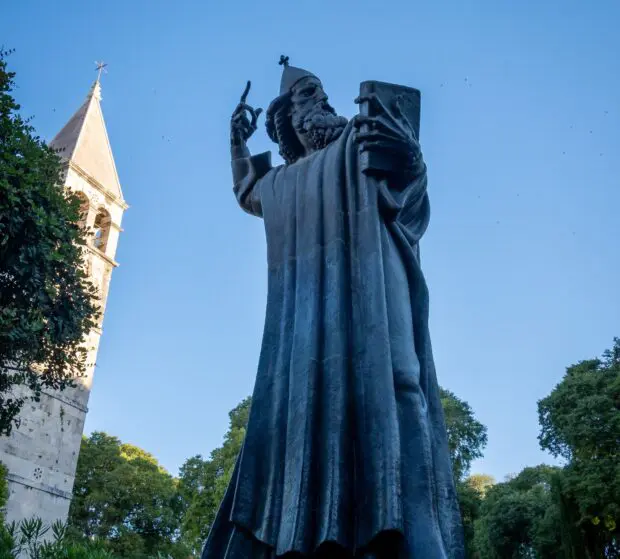
Split's history dates back to Roman times, when Emperor Diocletian chose the site to build his palace. Over the centuries, it gradually transformed into a true city district. Today, Roman remains stand alongside medieval, Renaissance, and Baroque buildings in the historic center.